
Psychological Safety FAQs
- What is psychological safety in the workplace?
Psychological safety means people feel able to speak up, share ideas, raise concerns and admit mistakes without fear of blame or negative consequences. It’s not about comfort, it’s about candour. In psychologically safe workplaces, employees feel valued, respected, and supported, leading to higher levels of engagement, creativity, and overall well-being.
- Why is psychological safety important for UK organisations?
Businesses want evidence. Psychological safety improves decision‑making, reduces errors, strengthens collaboration and boosts innovation. Teams with high psychological safety consistently outperform those without it.
- Is psychological safety a legal requirement in the UK?
In the UK, “psychological safety” as a term isn’t spelled out as a standalone legal requirement for employers, but employers are legally required to assess and manage risks to workers’ mental health and work-related stress, which is where the practical substance of “psychological safety” often comes in. The behaviours behind psychological safety are named, under the following pieces of legislation.
- Health and Safety at Work etc. Act 1974 (especially employers’ duty under section 2 to ensure employees’ health, safety and welfare “so far as is reasonably practicable”).
- Management of Health and Safety at Work Regulations 1999 (requires a suitable and sufficient risk assessment and risk management; includes mental health/stress risks as part of overall risk assessment).
Related workplace law that commonly matters for mental health at work include:
- Working Time Regulations 1998 (working long hours without adequate breaks can contribute to stress risk).
- Equality Act 2010 (mental health conditions can be disabilities; also relevant to protection from discrimination and harassment).
UK employers must manage psychosocial risks, protect employees from harm and follow HSE Management Standards. ISO 45003 reinforces this.
- How do we build psychological safety in our teams?
Psychological safety is built through behaviour: curiosity, clarity, consistency, listening, and responding well when people speak up. It’s a leadership skill - not a poster on the wall.
- What are the biggest barriers to psychological safety?
Fear of judgement, blame culture, unclear expectations, inconsistent leadership behaviour and hierarchical pressure are the most common blockers.
- What training do managers need to create psychologically safe teams?
Managers need practical tools: how to invite input, how to respond to challenge, how to model fallibility, and how to create conditions where people feel safe to contribute.
- How do we measure psychological safety?
Organisations use surveys, team climate assessments and psychosocial risk audits aligned with ISO 45003. Measurement helps identify hotspots and track progress.
- What’s the difference between psychological safety and wellbeing?
Wellbeing is about how people feel. Psychological safety is about how people behave. They support each other but they are not the same thing.
- What is the ROI of psychological safety training?
Reduced turnover. Fewer incidents. Better engagement. Stronger innovation. Faster problem‑solving. The business case is clear and measurable.
- How do we create a speak‑up and listen‑up culture?
Speaking up only works when leaders listen. This is especially important in regulated sectors such as healthcare, finance and manufacturing.
- How does psychological safety work in hybrid or remote teams?
Hybrid teams need deliberate practices: equal voice, structured turn‑taking, clarity of expectations and active inclusion in virtual meetings.
- How do diversity, inclusion and culture affect psychological safety?
Psychological safety is deeply connected to inclusion. Power dynamics, communication styles and belonging all influence whether people feel safe to speak.
Want support building psychological safety in your organisation?
The Importance of Psychological Safety in the Workplace
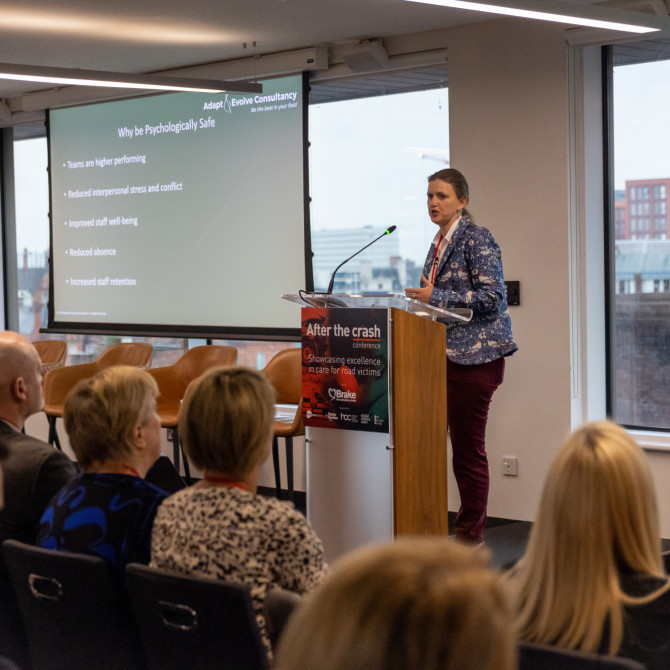
When employees feel psychologically safe, they are more likely to collaborate, contribute innovative ideas, and engage in constructive dialogue. This sense of security allows individuals to learn from failures and take calculated risks, driving continuous improvement and fostering a culture of innovation. Furthermore, psychological safety plays a pivotal role in employee well-being and mental health, reducing stress and burnout, which, in turn, enhances overall productivity and job satisfaction. When team members feel comfortable being themselves and expressing their concerns, conflicts are more constructively resolved, and communication channels are strengthened.
Supporting Your Business Through Psychological Safety Assessment and Training
Our approach to developing psychological safety can significantly benefit your business. ISO 45003, the international standard on psychological health and safety in the workplace, provides a framework to assess and improve psychological safety within your organisation. By conducting a thorough evaluation based on this standard, potential areas of improvement can be identified, allowing you to tailor interventions to specific needs. By working with trained professionals, your business can undertake a comprehensive psychological safety assessment that yields performance and wellbeing benefits.
Key benefits for organisations
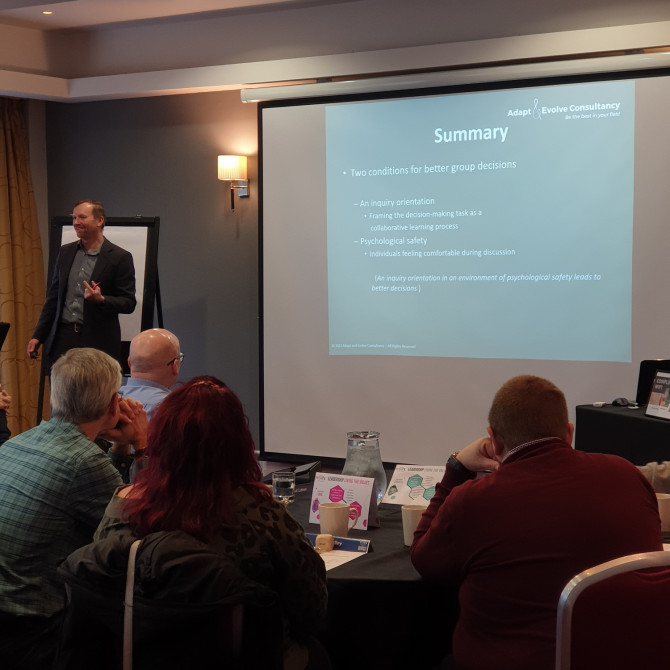
- Improved staff engagement
- Enhanced innovation and creativity
- Released discretionary effort which supports higher performance
- Improved team dynamics
- Promotes a positive, inclusive and diverse workforce
- Higher retention rates
- Improved problem-solving skills
- Increased productivity
- Improved employee well-being
- Enhanced leadership effectiveness
- Enhanced risk management
Zoe and Mark had a different approach to what has gone before - really interesting session on psychological safety
At the core of a psychologically safe work environment are well-trained and empathetic leaders who can create and maintain such a culture. Investing in training programs for your staff, based on principles from ISO 45003, can equip leaders with the necessary skills to foster psychological safety. By empowering your leaders to champion psychological safety, you create a ripple effect throughout the organization, improving team dynamics, and ultimately enhancing employee engagement and organizational performance. As a result, your business will be better positioned to attract and retain top talent, adapt and evolve to changing environments, and thrive in today's competitive landscape.
All I can say is thank you. You were sensitive, approachable and made everything clear. This process has turned me and my team around. I do not fear going to work any more.